What Makes Basketball Club Teams in San Diego Stand Out
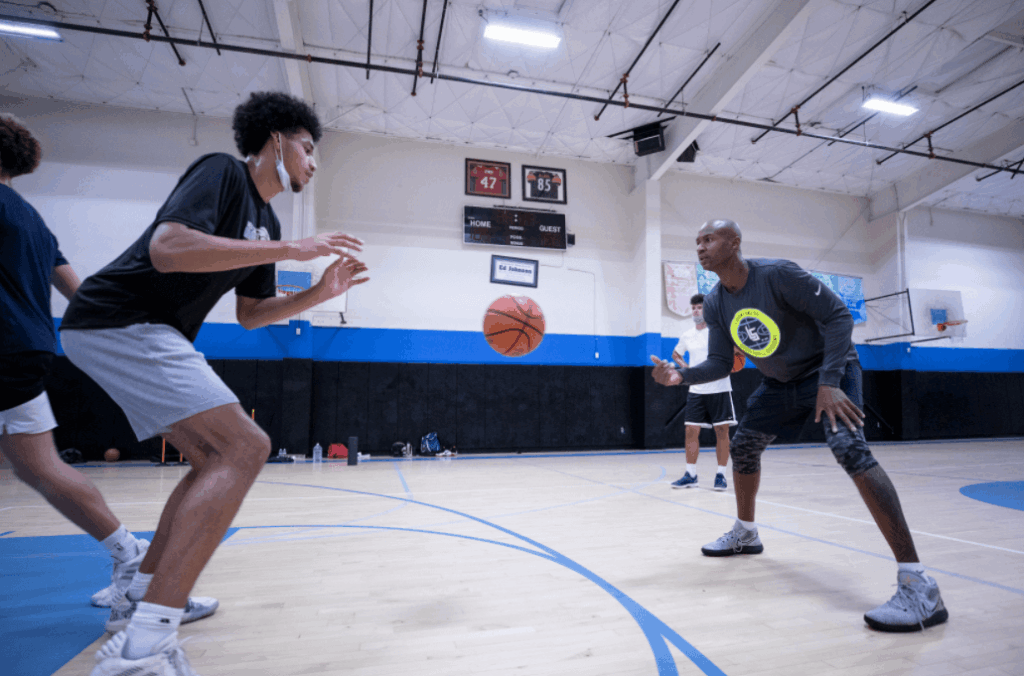
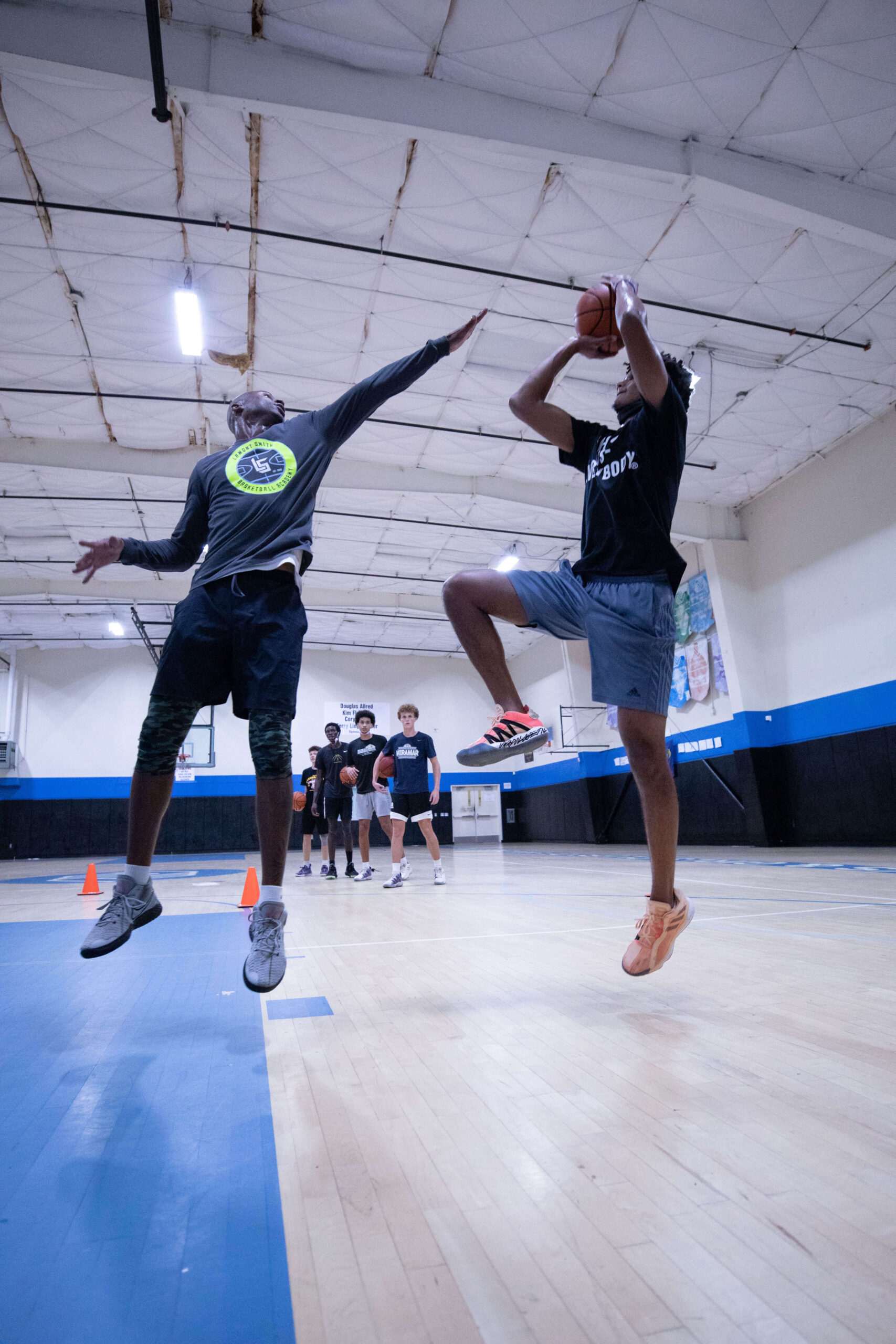
San Diego has never been a one-note basketball city. It does not carry the nonstop national spotlight of Los Angeles, and that is part of what makes it interesting. The basketball here has a different feel. It is competitive without always being theatrical, ambitious without losing sight of development, and shaped by a community that values year-round athleticism, family involvement, and a practical path to growth.
When people talk about Basketball Club Teams San Diego, they are usually talking about much more than tournament schedules and matching warmups. They are talking about training environments, coaching standards, travel expectations, and the kind of culture that can either sharpen a player or wear one down. The best clubs in the area stand out because they understand that talent alone is never enough. They build structure around that talent.
After spending time around youth and club basketball settings, one pattern becomes clear. The teams that earn respect over time are not always the ones with the flashiest social media clips or the tallest middle school roster. They are the ones that consistently teach, compete, and prepare players for the next level, whether that means varsity basketball, college recruiting, or simply becoming a more disciplined and confident athlete.
A region that shapes versatile players
San Diego produces a certain type of basketball player. The climate allows for nearly year-round activity, which matters more than many outsiders realize. Kids are not confined to short indoor seasons in the same way they might be elsewhere. They can stay active, train regularly, and build athletic habits over long stretches. That continuity helps with skill retention and physical development.
The city and surrounding areas also create a broad mix of athletes. You have players coming from strong school programs, private trainers, rec leagues, military families, and multi-sport backgrounds. That diversity affects club basketball in a healthy way. On one roster, a coach might have a polished guard with advanced ball skills, a forward who spent half the year playing volleyball, and a physical wing who built coordination through soccer and track. That mix can produce teams that are adaptable rather than one-dimensional.
The better San Diego club programs recognize this and do not try to force every player into the same mold. They develop guards differently from posts. They understand that a late-growing eighth grader may look ordinary in June and very different by February. They leave room for growth.
Coaching tends to be more development-driven than image-driven
This is one of the biggest separators.
In some club basketball markets, there is an unhealthy obsession with branding. You see a lot of talk about exposure, rankings, and offers long before players are physically or mentally ready for that conversation. San Diego certainly has programs that market themselves aggressively, but the stronger clubs tend to keep the focus on real development. They know parents eventually figure out the difference between noise and substance.
A strong club coach in San Diego is usually judged by what players look like after six months, not by how exciting they looked in one tournament. Are the footwork habits better? Has the help-side defense improved? Can the team handle pressure without unraveling? Do players communicate with more confidence? Those are the details that tell you whether a program is serious.
I have seen teams with modest height and no nationally ranked player beat more celebrated rosters simply because they defended with discipline, sprinted into spacing, and made the extra pass. That usually traces back to coaching. Good club teams teach the game in layers. They are not just running drills. They are building decision-makers.
The best programs know how to balance winning and teaching
This is where many club teams separate into two very different categories.
Some programs chase wins at young ages by leaning heavily on one or two physically advanced players. That can produce a successful weekend in the short term, but it often stunts the rest of the roster. Other programs go too far the other direction and avoid accountability in the name of development. Players get plenty of touches, but little structure, and bad habits settle in.
The better basketball club teams in San Diego work in the middle. They want to win, but not by sacrificing growth. They hold players to standards, teach them how to play within a system, and still create room for experimentation and skill expansion.
That balance matters most in the 12U to 16U years. A seventh grader who only sets screens because he happens to be the tallest player in the gym may struggle later when everyone catches up physically. A guard allowed to dominate the ball without learning timing, shot selection, or weak-side reads may look impressive now and hit a wall in high school. Clubs that stand out are the ones that can see beyond the next bracket.
Competition in Southern California raises the standard
San Diego benefits from geography. Being part of Southern California means club teams can test themselves often against strong competition without always needing cross-country travel. A typical spring or summer schedule can include local events, Orange County tournaments, Inland Empire matchups, and occasional trips into Los Angeles. That matters because level of competition shapes development.
A player improves faster when the game punishes bad habits. Lazy closeouts get exposed. Loose handles get taken. Slow decision-making turns into turnovers. Weak transition defense becomes an immediate problem. In a region where teams regularly face well-trained opponents, there is less room for illusion.
That competitive ecosystem helps the stronger San Diego clubs stay honest. If a team is winning locally but getting picked apart whenever it moves up in class or travels north, coaches know adjustments are needed. The feedback is immediate. That is healthy for players too. They learn resilience, not entitlement.
It is also worth noting that Southern California basketball is stylistically broad. Some teams press and run. Others execute patiently in the half court. Some play small and quick, others are more physical and interior-oriented. San Diego teams that stand out usually prepare for that range. Their players can adapt from one game to the next rather than relying on a single formula.
Family culture is a bigger factor than many people admit
Club basketball is not only about what happens between the lines. Team culture, especially parent culture, can make or break the experience. San Diego’s strongest clubs often do a better job than average at setting expectations early.
That sounds simple, but it is not. Families want transparency around playing time, travel costs, practice frequency, coaching philosophy, and long-term development. When those conversations are vague, tension builds quickly. When they are clear, the environment becomes more stable.
I have watched talented teams come apart because the adults around them created constant noise, questioning roles after every game, turning development into a weekly referendum. I have also watched very good club environments where parents understood the bigger picture. The difference is not accidental. It comes from leadership.
Programs that stand out generally communicate well. They explain what they value. They do not promise impossible outcomes. They address conflict directly. That professionalism gives players a better chance to focus on basketball rather than politics.
Facilities and training access create consistency
One underappreciated advantage in San Diego is access to training infrastructure. Not every program has the same resources, of course, but the area offers a healthy mix of school gyms, private training spaces, strength facilities, and outdoor courts. For a club team, that can mean more consistent practice schedules and more flexible player development options.
Consistency matters. A team that practices twice a week in a reliable gym with enough basket access will usually improve more than a team constantly bouncing between cramped spaces and canceled sessions. Repetition builds confidence. It also allows coaches to install offensive concepts, defensive coverages, and end-game habits instead of spending every week resetting basic organization.
The clubs that stand out tend to maximize this access. They do not waste floor time. Practices are usually structured with a clear purpose. Warmups connect to the day’s emphasis. Competitive segments have constraints that teach something. Skill work links back to game situations. That may sound obvious, but it is surprisingly rare.
San Diego clubs often develop complete athletes, not just specialists
Because of the region’s sports culture, many players here grow up doing more than one thing. They surf, run track, play soccer, train in the weight room, or spend time in sand volleyball. Even if they eventually specialize in basketball, that broader athletic base often shows up in movement quality.
The stronger club teams use that to their advantage. They appreciate mobility, coordination, balance, and body control, not just height and shot-making. A player who can decelerate under control, open the hips defensively, and absorb contact without losing balance is usually more game-ready than someone with one impressive skill and several physical limitations.
This matters especially in modern basketball, where positional labels are looser than they used to be. The best San Diego clubs tend to favor players who can think and move in space. Even bigs are expected to pass, defend in multiple actions, and make quick reads. Guards are expected to rebound, communicate, and survive defensively. That emphasis on completeness gives players a better foundation when they move into stronger high school or college environments.
Exposure is handled best when it follows substance
The word exposure gets thrown around too casually in club basketball. Parents hear it, players chase it, and programs use it because they know it sells. But real exposure only matters when a player is ready to benefit from it.
The best Basketball Club Teams San Diego understand that sequence. They focus first on skill level, game understanding, competitive habits, and physical readiness. Then they pursue the right events, not just the biggest-looking events. A tournament full of college coaches means very little if a player cannot impact the game in a disciplined way.
There is also a practical side to this. Not every athlete needs the same path. A high-major prospect, a Division II prospect, and a strong high school rotation player all require different planning. Clubs that stand out are realistic. They do not sell every family the same dream. They help place players in appropriate competitive settings and give honest feedback along the way.
That honesty can be hard to hear, but it is valuable. A coach who tells a family that the player needs another year of strength, a more consistent jumper, or more game reps before chasing showcase events is doing the right thing. Long-term trust is built that way.
Good clubs are selective about roster construction
One thing experienced observers notice quickly is how a team is built. Roster construction affects everything, from development to chemistry to late-game execution. Strong San Diego clubs usually think carefully about fit, not just raw talent.
A roster overloaded with ball-dominant guards may look exciting in drills and dysfunctional in games. A team with three centers and no reliable primary handler will struggle no matter how much size it has. The best programs look for complementary pieces. They value players who can defend multiple spots, accept roles, and make connective plays that do not always show up in highlight packages.
This is another area where coaching judgment matters. Sometimes the eleventh player on a roster is more important than the third-best scorer because he brings communication, pace, and defensive energy to practice every week. Clubs that understand team-building tend to improve faster and handle adversity better.
The strongest environments teach players how to handle adversity
Every club team looks organized when it is up 18 points on a Sunday morning. The more revealing moments happen when a team is tired, trailing, dealing with foul trouble, or facing a more athletic opponent. That is where culture and preparation show up.
San Diego’s better programs tend to prepare players for these moments rather than shielding them from discomfort. They teach poise in huddles. They require communication on the floor. They review mistakes without turning every loss into drama. Over time, players learn that setbacks are part of development, not evidence of failure.
That mindset is especially important in youth basketball, where growth is uneven. One month a player looks dominant, the next month he looks average because others have improved or physical matchups changed. The right club environment steadies that emotional swing. It reminds players that progression is rarely linear.
A few habits consistently show up in resilient teams:
- They defend even when shots are not falling.
- They communicate through mistakes instead of withdrawing.
- They understand their spacing and roles late in games.
- They respond to physical play without losing discipline.
- They can be coached hard without falling apart.
None of those traits appear by accident. They are trained.
San Diego’s size creates both opportunity and complexity
San Diego is large enough to support a range of club models. That is a strength, but it can also make the landscape confusing for families. There are elite travel programs, neighborhood-based clubs, school-adjacent teams, skills-first developmental groups, and organizations that sit somewhere in between. Not every team is trying to do the same thing, and that is not necessarily a problem.
The challenge is fit. A serious high school prospect may need a more demanding schedule than a younger player still learning whether he loves the game enough to commit year-round. A family with multiple children may need a program with saner travel demands. A player recovering confidence after a difficult school season might benefit more from a teaching-heavy environment than from jumping into the deepest local roster.
The clubs that stand out are often the ones that know exactly what they are and who they serve. They do not try to be everything to everyone. That clarity helps players thrive because expectations match the environment.
What parents and players should notice before committing
Tryouts can be misleading. Energy is high, jerseys are fresh, and everyone is selling possibility. The better way to evaluate a club is to watch details that reveal how the program operates when nobody is trying to impress you.
A few signs are especially telling:
- Coaches correct specifics, not just effort.
- Players on the bench stay engaged and know the system.
- Practices have pace without looking chaotic.
- Communication with families is direct and realistic.
- Development goals sound measurable, not promotional.
Those cues tell you far more than slogans do.
Why the local identity still matters
There is a temptation in youth sports to assume that bigger markets always offer better development. That is not automatically https://edwinhyec935.evergrovio.com/posts/why-basketball-club-teams-san-diego-are-growing-faster-than-ever true. San Diego’s basketball identity works in its favor because it sits in a useful middle ground. It has enough talent and competition to push serious players, but it often avoids some of the excess that can distort larger circuits.
That middle ground creates space for thoughtful development. Players can still be seen. Teams can still compete at a high level. Coaches can still build ambitious programs. But there is often a little more breathing room for teaching, maturity, and long-view planning.
That is why Basketball Club Teams San Diego continue to attract families who care about more than weekend results. The strongest programs offer something durable. They combine serious competition with real instruction, demand accountability without losing perspective, and create teams that often look better in March than they did in January.
That last point matters. Improvement is the clearest sign of a quality club program. Not hype, not uniforms, not a crowded trophy table. Better footwork. Better reads. Better habits. Better responses under pressure. The San Diego teams that stand out usually deliver those things consistently, and that consistency is what gives players a real chance to grow.
Lamont Smith Basketball Academy
888 Clairemont Mesa Blvd Suite T-2, San Diego, CA 92123
(619) 639-8778
FAQ About Basketball Club Teams San Diego
How can a player join an LSBA club team?
Players are evaluated during practices so the coaching staff can recommend an appropriate team and development level. Families should contact the academy to confirm current openings and evaluation details.
Are club teams available for newer basketball players?
Yes. LSBA describes multiple levels, including a developmental option for newer players as well as more competitive teams for athletes with prior club experience.
What do LSBA club team practices emphasize?
Practices emphasize basketball fundamentals, team defense, structure, communication, and player development. The specific focus may vary according to the team and experience level.
Do all LSBA teams travel?
Travel expectations vary by level. Some teams focus on local competition, while advanced teams may participate in tournaments elsewhere in Southern California or beyond. Families should confirm the current schedule before enrolling.