The Evolution of Basketball Club Teams in San Diego
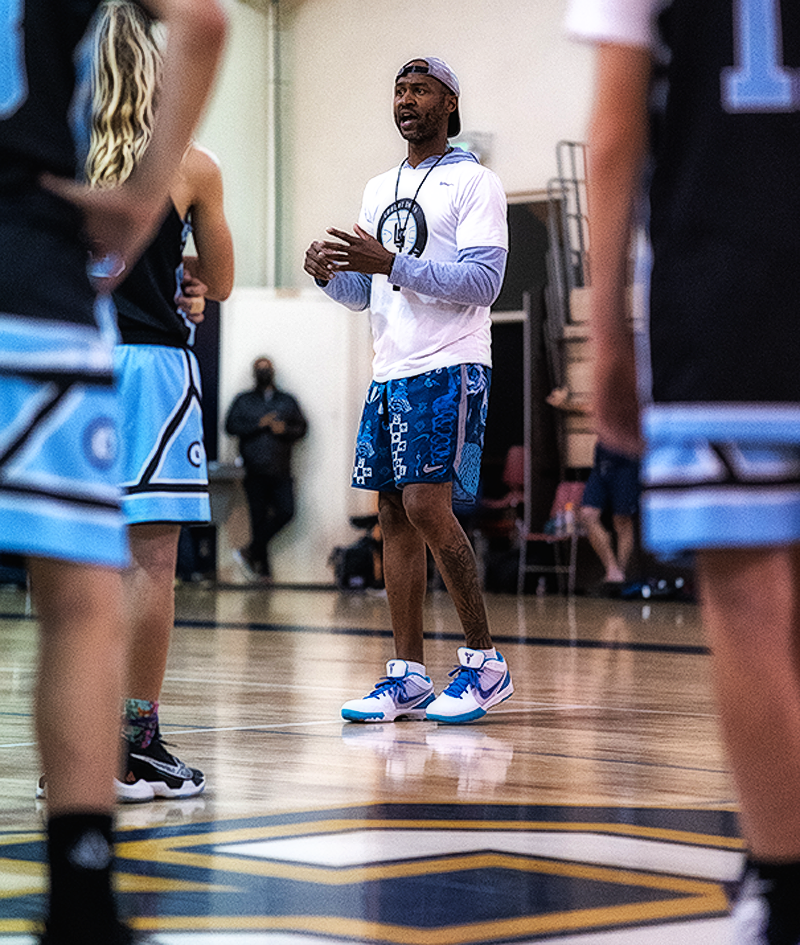
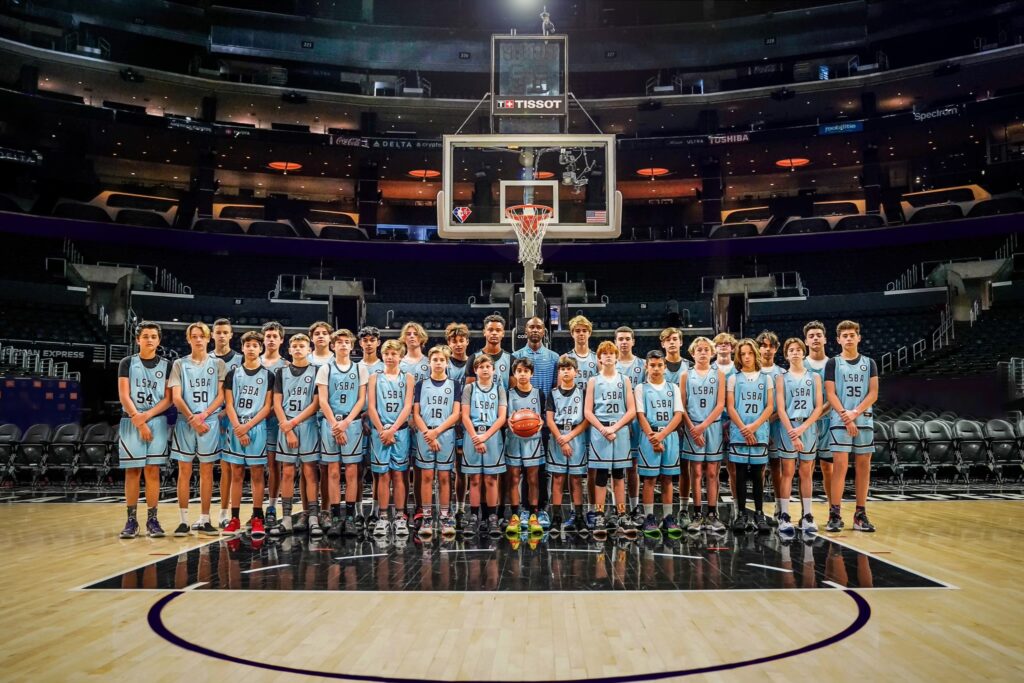
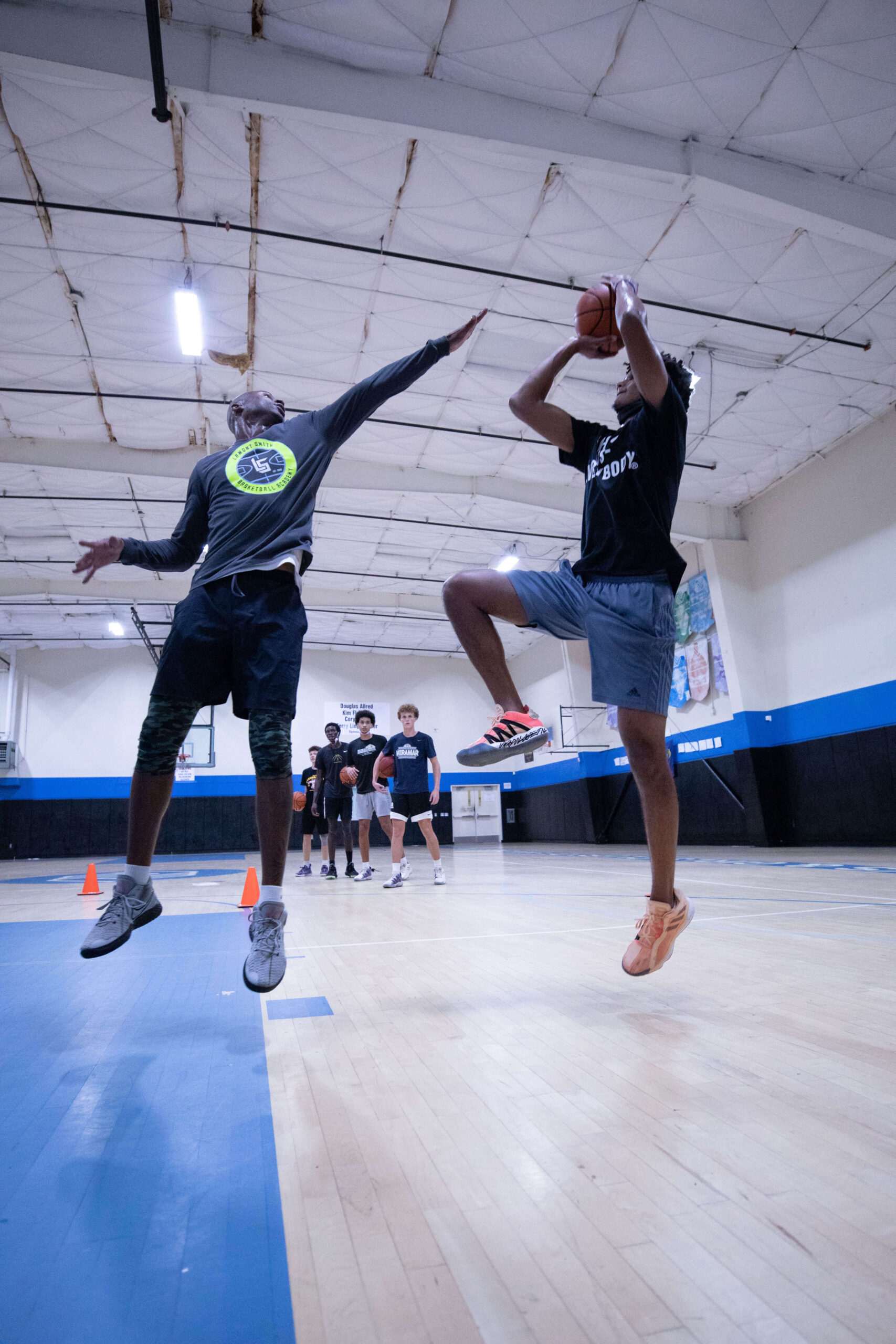
San Diego has never fit neatly into the old stereotypes of a one-sport city. Surf culture is real, football once carried enormous weight, and baseball still owns long stretches of the calendar. Yet anyone who has spent time in local gyms over the last three decades has seen a quieter, steadier transformation. Basketball club teams in San Diego have gone from scattered programs serving small pockets of the county to a dense, competitive ecosystem with year-round training, travel schedules, specialized coaching, and a serious role in player development.
That change did not happen all at once. It grew through school gyms, church leagues, park and rec runs, AAU circuits, and the persistent work of coaches who knew the region had more talent than outsiders assumed. It also grew because San Diego itself changed. The county expanded, families moved east and north, private training became more common, and college recruiting began to pay closer attention to areas beyond the traditional Southern California power centers.
If you look at the current landscape, you can see both the progress and the tension. There are more basketball club teams in San Diego than ever before. Players have better access to skill work, strength training, film review, and high-level competition. At the same time, the system asks more of families, more of coaches, and more of young athletes trying to navigate a sport that now starts feeling professional at a very young age.
When club basketball meant something smaller
Before club basketball became a year-round enterprise, the path for a talented San Diego player was relatively straightforward. Most players developed through local rec leagues, school teams, and pickup games. Summer basketball existed, but it was less formal, less commercial, and often less visible. A player might join an AAU team for a season, travel to a few tournaments, and then return to the school calendar without carrying a twelve-month basketball identity.
Older coaches around the county still talk about this era with mixed feelings. On one hand, players had more downtime and often played multiple sports. It was common to see the same athlete on a football field in the fall, in a gym in the winter, and on a baseball diamond or track in the spring. On the other hand, elite development could be inconsistent. A player with real promise might not get enough exposure or specialized instruction, especially if he or she was outside the higher-profile neighborhoods or school programs.
Geography mattered in practical ways. San Diego County is large, and traffic has always turned distance into a real barrier. A family in Oceanside, Chula Vista, El Cajon, or San Ysidro could not casually commit to multiple weekly sessions in central San Diego without sacrificing time, money, and energy. That limited the reach of early club programs, which often depended on a coach’s immediate network rather than a countywide pipeline.
The local basketball culture also faced an old Southern California problem. Los Angeles and Orange County drew more media attention, more recruiting traffic, and more assumptions about where elite talent lived. San Diego produced strong players, but many had to prove themselves twice, once on the court and once against regional bias.
The AAU boom changed the map
The most significant shift came when national youth basketball culture accelerated and AAU competition became both a proving ground and a marketplace. San Diego was not isolated from that trend. Once tournament circuits expanded and college coaches increasingly relied on spring and summer evaluation periods, club teams moved from optional add-ons to central pieces of a player’s résumé.
This changed how local programs operated. Teams became more organized, branding became more important, and coaching staffs began to think beyond one season at a time. Instead of simply assembling a roster for a summer run, stronger organizations started building age-group ladders. If a club could keep players from elementary school through high school, it could shape habits, terminology, style of play, and loyalty.
That continuity mattered. A twelve-year-old guard learning pace, spacing, and defensive footwork from the same program philosophy had a better chance of becoming a polished high school player than someone bouncing from team to team every few months. Families noticed. The best club programs in San Diego did not just offer games. They offered structure, accountability, and a sense that development had a long arc.
The AAU boom also raised expectations for competition. Years ago, a good local player might dominate within San Diego County and earn a reputation that carried weight. Now, strong performance in local gyms is only part of the equation. Club teams travel to events in Orange County, Los Angeles, Las Vegas, Phoenix, and beyond, measuring themselves against deeper pools of talent. That has been healthy for the region. It exposed San Diego players to faster play, bigger athletes, https://setheczr425.wpsuo.com/basketball-club-teams-san-diego-and-the-importance-of-consistent-practice and tougher decision-making environments.
At the same time, it introduced a pressure cycle that is now familiar to many families. If one team travels more, another team feels compelled to do the same. If one program adds film sessions and skill trainers, another tries to match it. The level rises, but so does the cost.
The county’s basketball identity became more diverse
One of the most encouraging parts of San Diego’s growth has been the widening of who gets seen and who gets served. Club basketball used to tilt heavily toward players with easier access to transportation, information, and established networks. That is still a factor, but the spread of programs across the county has opened doors.
North County developed its own strong basketball pockets. South Bay programs gained more traction and visibility. East County, long full of competitive athletes, became more integrated into the club structure. That matters because San Diego talent has never belonged to one zip code or school district. The game here looks different depending on where you watch it. Some teams play with pace and guard skill, some with physicality, some with length and defensive pressure. The wider club scene has made it easier for those styles to coexist and compete.
The demographic mix of San Diego has also enriched the sport. There are players shaped by border culture, military family movement, suburban growth, and urban park traditions. Anyone who has coached in the county for a while knows that the basketball conversations can be very different from one gym to another, and that is a strength. Club teams at their best do not flatten that variety. They refine it.
Girls basketball deserves special attention in this evolution. For many years, girls club programs had fewer resources, fewer event opportunities, and less consistent visibility. That has changed meaningfully. There is still work to do, but the improvement is real. Better coaching, stronger tournament circuits, and a wider recruiting lens have given San Diego girls more legitimate pathways. You now see players from the county competing for major high school programs, strong travel clubs, and college opportunities that might have been harder to access a generation ago.
Training became more specialized, and more intense
The modern club model in San Diego looks very different from the old tournament-only approach. Many programs now pair team practices with individual skill sessions, shooting labs, strength work, mobility training, and film breakdown. Even middle school players may have weekly calendars that resemble miniature college schedules.
There is obvious value in that. Technical instruction is better than it used to be. Players can get real feedback on footwork, ball-screen reads, closeout angles, shot preparation, and finishing through contact. A coach can pull up film from a weekend event and show a player why a skip pass was open, why a transition possession stalled, or why a defensive rotation arrived late. Ten or fifteen years ago, that level of detail was much less common in youth basketball.
Still, specialization carries trade-offs. San Diego coaches who work with young players often see the same problem: too much training, not enough learning. A player may spend hours on cone drills and social-media-friendly moves yet struggle to make the right simple read in a live game. Another may pile up private sessions but never build the conditioning or resilience that comes from competing in unstructured runs. Training helps, but only when it connects to actual basketball.
The strongest club environments usually balance a few key ingredients:
- Repetition with purpose, not just volume
- Competitive live play, where decisions matter
- Honest role definition from coaches
- Strength and recovery habits that fit the player’s age
- Patience, especially during growth spurts and confidence dips
That balance is hard to maintain because families naturally want visible progress. A smoother jump shot is easier to notice than better help-side positioning. A flashy dribble package draws more attention than improved timing on a cut. Good clubs in San Diego have learned that part of the job is educating parents as much as players.
Recruiting shifted from local reputation to constant visibility
There was a time when a standout high school season in San Diego could do a great deal of the recruiting work. It still matters, but it is no longer enough for many prospects. Club basketball changed the recruiting calendar and the kind of evidence coaches want. College staffs now expect to see players in multiple settings: school games, travel events, practice clips, academic profiles, and often verified measurements or performance data.
For San Diego players, this has been both a challenge and an advantage. The challenge is obvious. To gain attention, athletes often need to travel, play in large events, and compete for roster spots on well-connected teams. The advantage is that geography has become less limiting than it once was. If a player from San Diego can perform against strong competition in a live period or on a respected circuit, college coaches are far more likely to notice than they were twenty years ago.
San Diego’s better club organizations understand that exposure is not the same as development. Those two ideas get confused constantly. Exposure without preparation usually leads to disappointment. A player gets into a big tournament, faces longer, quicker athletes, and learns very quickly that visibility does not equal readiness. On the other hand, development without a strategy for being seen can leave a strong player underrecruited.
The clubs that have matured the most tend to handle recruiting with more discipline. They communicate realistically with families. They avoid promising scholarship outcomes they cannot control. They build event schedules around the level of the roster rather than around social status. That sounds obvious, but it is not always how youth basketball works.
The business side became impossible to ignore
No honest discussion about basketball club teams in San Diego can ignore the money. Club basketball now operates in a space where coaching, facility rental, travel, uniforms, insurance, tournament entry fees, and training overhead all add up quickly. Some organizations run lean and community-focused. Others function more like small sports businesses, with brands, partnerships, and layered service offerings.
Neither model is automatically wrong. The issue is whether families understand what they are paying for and whether the player is actually benefiting. San Diego is an expensive region, so every basketball decision lives inside a larger household budget. A family may be paying for club dues, gas, hotel rooms, food on the road, shoes, and extra training on top of ordinary life expenses. For some, that sacrifice is manageable. For others, it can be enormous.
The sport has wrestled with this tension for years. More professional operations often deliver better organization and more opportunities, but they can also price out players who belong in those gyms. Some of the best programs in the county have tried to bridge that gap through sponsorships, fundraising, flexible payment structures, or selective scholarship support. Those efforts matter because local basketball loses something important when access narrows.
The economics also affect coaches. Many excellent coaches enter club basketball because they care about teaching and competing. Over time, they find themselves dealing with scheduling headaches, parent communication, roster politics, and financial planning. The role becomes broader than basketball. That is one reason stable clubs are difficult to build. Winning games is hard enough. Sustaining trust across multiple age groups is harder.
Parents became part of the development equation
If you spend enough time around youth basketball, you realize club teams do not just develop players. They also shape families. San Diego parents today are more informed than before, but they are also navigating a louder and more confusing marketplace. Every program has highlights, social media presence, and a development pitch. Sorting substance from presentation takes experience.
A practical way to evaluate a club often comes down to a few observable details:
- Do coaches teach during games, or only react to mistakes?
- Are players improving in decision-making, not just confidence?
- Does the team’s schedule match the roster’s actual level?
- How does the program handle playing time conversations and conflict?
- Do older players return in the offseason and speak well of the experience?
Those questions cut through a lot of noise. In my experience, the healthiest basketball environments are rarely the most theatrical. They are organized, demanding, and clear. They have standards, but not gimmicks. Players know what is expected. Parents know how communication works. Coaches do not chase every trend.
San Diego families have become more sophisticated about these choices. Many now understand that the best fit is not always the biggest brand or the farthest travel radius. For a younger player, a local club with thoughtful coaching and strong practice habits may be far more valuable than a prestigious schedule full of limited minutes. For an older, high-performing player, the equation can shift toward events, connections, and roster context.
High school programs and club teams learned to coexist, sometimes uneasily
The relationship between high school basketball and club basketball in San Diego has matured, though not without friction. Years ago, school coaches often viewed club programs with suspicion. Some still do, especially when they feel outside voices are overstepping, pushing transfers, or prioritizing exposure over team culture.
That tension is understandable. High school coaches care about program identity, community support, and players buying into school-season roles. Club coaches often emphasize broader long-term development and recruiting opportunities. The best outcomes happen when those perspectives are aligned, but alignment is not automatic.
What has improved over time is a general recognition that both spaces matter. High school basketball still offers something club basketball cannot replicate: student sections, local rivalries, school pride, and the pressure of representing a campus community night after night. Club basketball, by contrast, offers concentrated exposure, broader competition, and training outside school restrictions.
For San Diego players, thriving in both environments requires adaptability. A scorer on a club team may need to defend and rebound more in high school. A high school star may need to accept a smaller role on a deep travel roster. Learning that flexibility is part of becoming a serious player.
The most respected coaches in the county, whether they come from school programs or club programs, tend to appreciate this reality. They understand that a player is not finished after one season or one role. Development is cumulative. Good coaching helps athletes move between contexts without losing confidence or identity.
The pandemic years accelerated some trends and exposed weaknesses
Any recent account of youth sports in San Diego has to acknowledge the disruption of the pandemic period. Gym closures, uneven reopening timelines, and lost competition created real setbacks, especially for players in key developmental windows. Some athletes missed crucial game reps. Others drifted away from the sport entirely.
Yet those years also accelerated certain changes. Smaller training groups became common. Film study and remote communication gained traction. Families paid closer attention to which organizations could maintain structure during unstable periods. Programs with strong leadership often emerged more trusted afterward, while weaker operations struggled to regain momentum.
The post-pandemic environment also highlighted something coaches have long known: players need more than workouts. They need competitive rhythm, team habits, and emotional resilience. San Diego clubs that rebuilt successfully were usually the ones that restored community as much as basketball. Young athletes do not just need reps. They need belonging.
Where San Diego club basketball is headed next
The future of basketball club teams in San Diego will probably be shaped by three forces at once: rising professionalism, persistent cost pressure, and a growing demand for authentic development. That combination will reward clubs that can do more than market themselves well.
Expect the stronger programs to keep deepening their infrastructure. More film breakdown, more performance training, and more age-specific coaching specialization are likely. Recruiting support will become more organized, especially for families navigating the space for the first time. Girls programs should continue expanding in quality and visibility. Cross-border and multicultural influences may also play a larger role in the county’s playing style and talent identification.
At the same time, there will be a countercurrent, and it is an important one. More families are asking smart questions about burnout, over-scheduling, and whether every travel opportunity is necessary. Some are rediscovering the value of local development, outdoor play, and multi-sport participation, especially at younger ages. That pushback is healthy. Not every serious player needs the same path.
San Diego is well positioned because its basketball growth has not come from one dominant pipeline. It has come from many interconnected ones: school coaches, independent trainers, club directors, rec programs, private facilities, committed parents, and players willing to drive across the county for a chance to improve. The ecosystem is imperfect, but it is richer than it used to be.
The real measure of progress is not how many teams wear matching travel gear or how often a local prospect appears online. It is whether more players from more parts of the county are receiving good coaching, realistic guidance, and meaningful opportunities. On that front, San Diego has made substantial strides.
The city and county still sit in the shadow of larger basketball markets in the public imagination. That may never fully change, and it does not need to. San Diego’s club scene has developed its own character, part ambitious, part practical, part community-driven. It is more competitive now, more layered, and more serious about player growth than at any point in its history.
Anyone who has watched this evolution up close can feel the difference the moment they walk into a crowded weekend gym. The game is faster. The coaching is sharper. The expectations are higher. So are the stakes. But so is the opportunity. For players with talent, discipline, and the right guidance, basketball club teams in San Diego have become far more than a summer activity. They are now one of the central engines of the region’s basketball future.
Lamont Smith Basketball Academy
888 Clairemont Mesa Blvd Suite T-2, San Diego, CA 92123
(619) 639-8778
FAQ About Basketball Club Teams San Diego
How can a player join an LSBA club team?
Players are evaluated during practices so the coaching staff can recommend an appropriate team and development level. Families should contact the academy to confirm current openings and evaluation details.
Are club teams available for newer basketball players?
Yes. LSBA describes multiple levels, including a developmental option for newer players as well as more competitive teams for athletes with prior club experience.
What do LSBA club team practices emphasize?
Practices emphasize basketball fundamentals, team defense, structure, communication, and player development. The specific focus may vary according to the team and experience level.
Do all LSBA teams travel?
Travel expectations vary by level. Some teams focus on local competition, while advanced teams may participate in tournaments elsewhere in Southern California or beyond. Families should confirm the current schedule before enrolling.